
Gregory G. Howes, Ph.D.

Colin Brown

Sarah Horvath
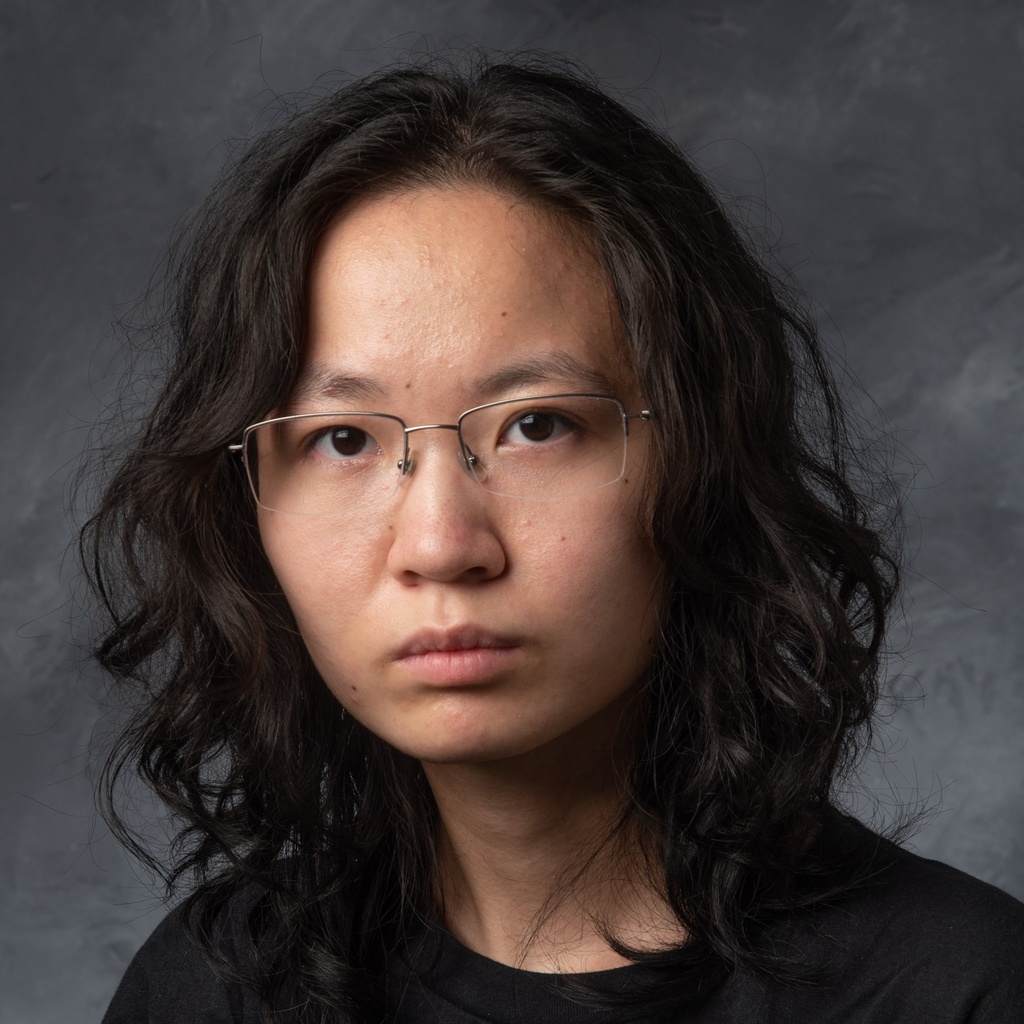
Rui Huang, Graduate Assistant
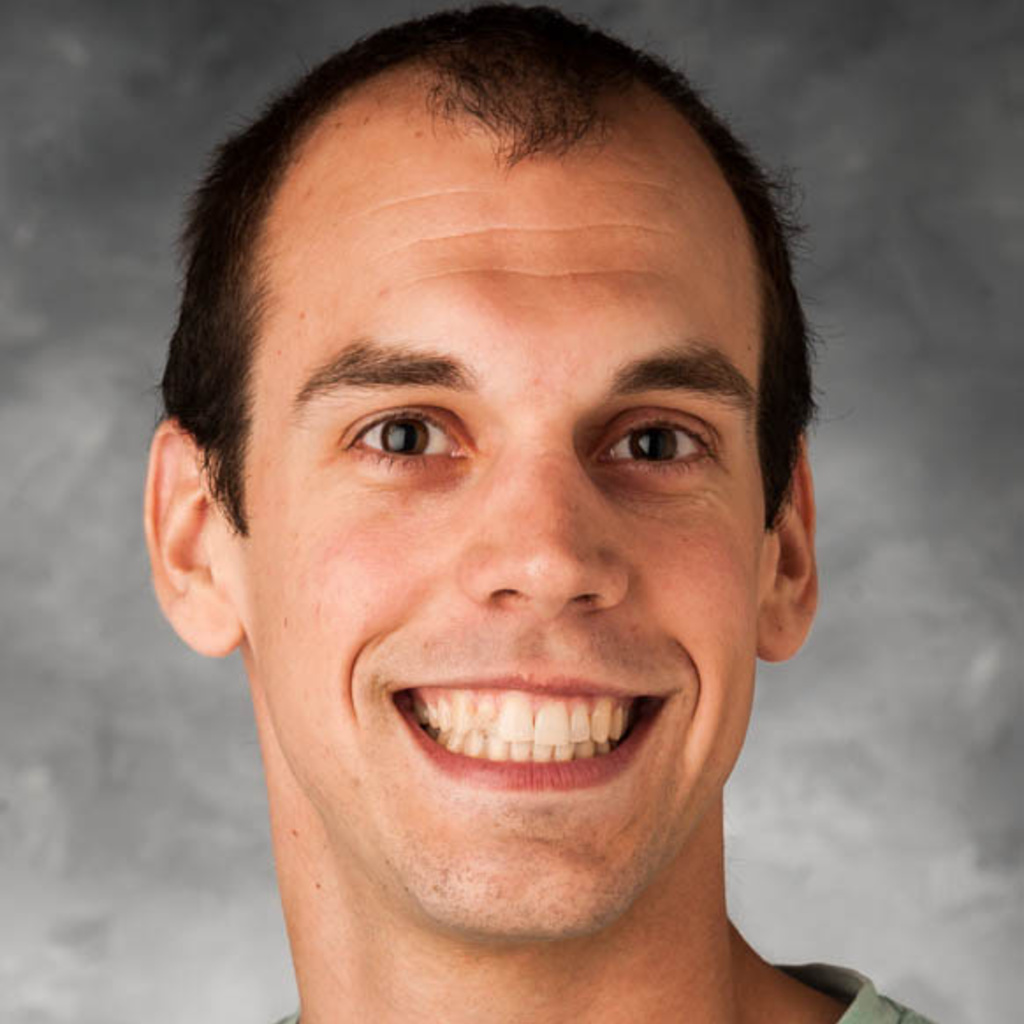
Andrew McCubbin

Peter Montag
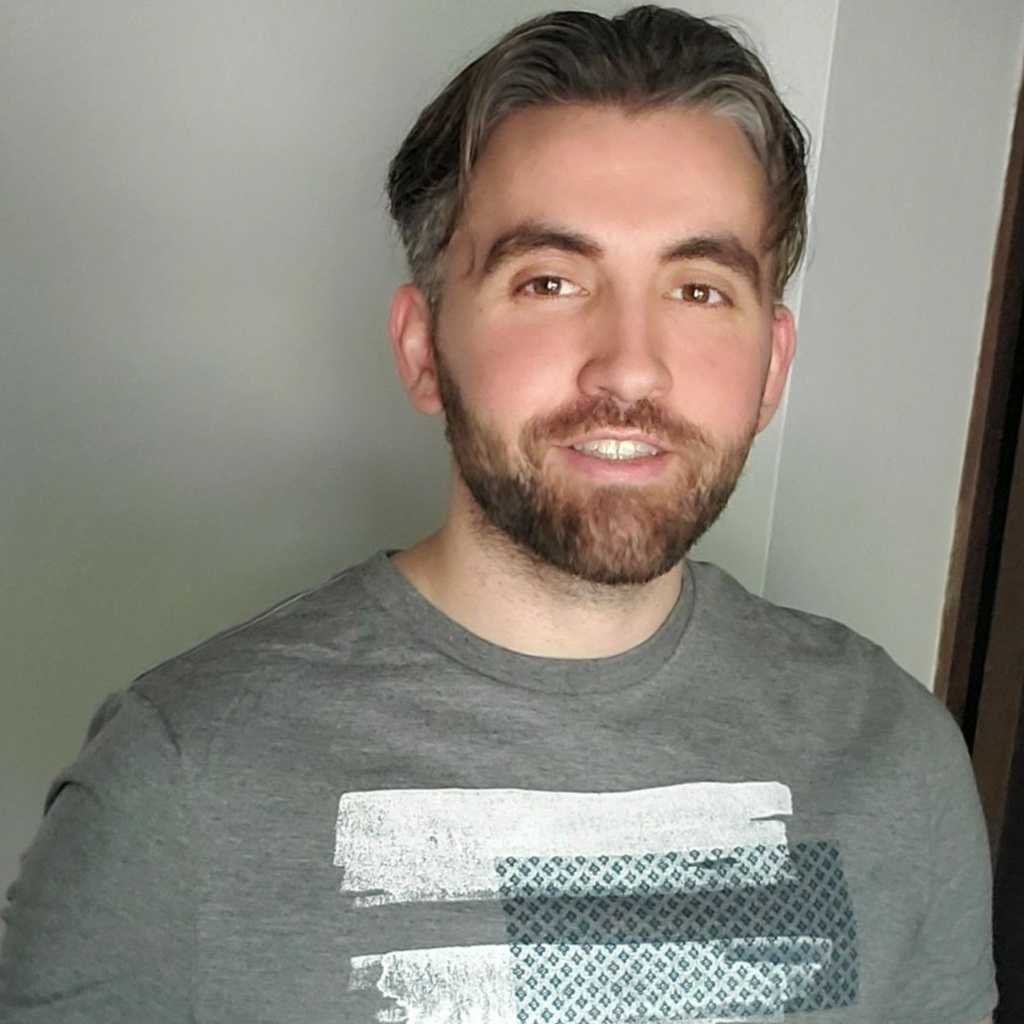
Daniel Pette
Past Group Members
-
James Schroeder, Postodoctoral Researcher:
Jim completed his Ph.D. in 2017, entitled Exploring the Alfven-Wave Acceleration of Auroral Electrons in the Laboratory, under Professor Fred Skiff, with Professors Gregory Howes and Craig Kletzing as co-advisors. As a postdoc, Jim is now working to make the final definitive measurement of electron acceleration by inertial Alfven waves in the laboratory, which will provide for the first time providing key experimental evidence to answer one of the longest-standing questions in space physics, "How is the aurora created?"
-
Tak Chu Li
Postdoctoral Research Scholar, Dartmouth College
Tak Chu worked as a Postdoctoral Researcher with Professor Howes studying kinetic plasma turbulence and collisionless damping, focusing on the fundamental differences in nonlinear energy transfer and damping mechanisms between 2D and 3D turbulence simulations. Now Tak Chu is working at Dartmouth College with Professor Yi-Hsin Liu on magnetic reconnection and its relation to plasma turbulence.
-
Sofiane Bourouaine
Research Scientist, Florida Institute of Technology
Sofiance worked as a Postdoctoral Researcher with Professor Howes studying the tangling of magnetic field lines in kinetic plasma turbulence using the Astrophysical Gyrokinetics code, AstroGK. Now Sofiane is working at the Florida Institute of Technology with Professor Jean Perez on high-performance simulations of MHD turbulence in the solar corona.
-
Jason TenBarge
Associate Research Scholar, Princeton University
Jason worked as a Postdoctoral Researcher with Professor Howes studying kinetic plasma turbulence and collisionless magnetic reconnection using the Astrophysical Gyrokinetics code, AstroGK. Now Jason studies kinetic plasma turbulence and other kinetic mechanisms (such as magnetic reconnection and collisionless shocks) using the continuum Vlasov simulation code Gkeyll, developed at Princeton.
-
Kevin Nielson
Research Scientist, Georgia Tech Research InstituteKevin completed his Ph.D., entitled Analysis and Gyrokinetic Simulation of MHD Alfven Wave Interactions, in 2012 under Professor Gregory Howes. His thesis work solved analytically for the nonlinear evolution of periodic Alfven wave collisions in the weakly nonlinear limit and validated that analytical solution using nonlinear gyrokinetic AstroGK simulations. This work demonstrated the pathway of nonlinear energy transfer in plasma turbulence, establishing Alfven wave collisions as the fundamental building block of plasma turbulence. Now Kevin works as a Research Scientist doing defense-related research at Georgia Tech Research Institute.
-
Kris Klein
Postdoctoral Research Scholar, University of Michigan
Assistant Professor, University of ArizonaKevin completed his Ph.D., entitled The Kinetic Plasma Physics of Solar Wind Turbulence, in 2013 under Professor Gregory Howes. His thesis involved the generation of synthetic spacecraft data, using linear kinetic plasma properties, to better understand and interpret measurements of turbulence in the solar wind. After completing his Ph.D., Kris worked closely with Professor Howes to develop the novel field-particle correlation technique, a means to use velocity-space information from spacecraft observations or nonlinear kinetic simulations to determine the kinetic mechanisms of particle energization. He is currently working on Parker Solar Probe related science with Professor Justin Kasper's SWEAP science team at the University of Michigan. In Fall 2018, Kris will begin as an Assistant Professor in the Lunar and Planetary Laboratory at the University of Arizona.